
If your car develops a weird noise or warning light or performance issue, the first step should never be to randomly replace parts. A professional inspection before any repair is a good way to find out the real reason. During a proper inspection, technicians will examine the vehicle’s mechanical, electrical and safety systems, employ diagnostic equipment when necessary, and then explain their findings before recommending repairs. This process reduces unnecessary costs, prevents misdiagnosis, and enables vehicle owners to make informed decisions.” Whatever the problem, no matter how minor or how complex, a thorough inspection is the basis for accurate and reliable repairs.
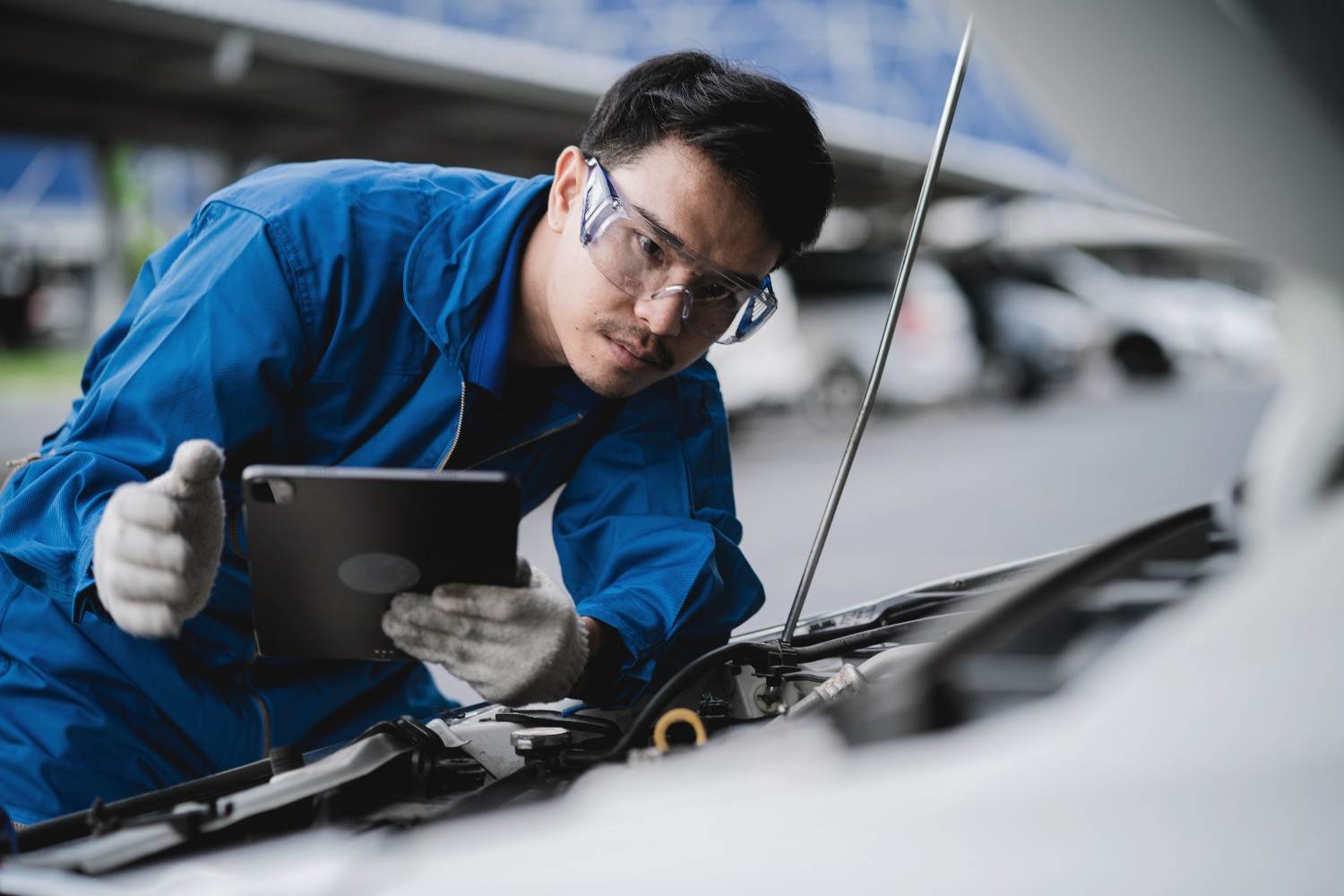 A Proper Inspection Is More Than Just Looking Under the Bonnet
Many drivers imagine a mechanic lifting the bonnet, taking a quick look around, and immediately knowing what is wrong. In reality, that is rarely how professional repairs begin.
Modern vehicles contain dozens of systems that work together. A warning light on the dashboard might point to one issue, while the actual cause lies somewhere else entirely. That is why experienced technicians avoid making assumptions before carrying out a complete inspection.
At our workshop, we believe that understanding the problem comes before fixing it.
Listening Comes Before Lifting Any Tools
One part of the inspection surprises many customers. Before opening the bonnet, we usually ask questions.
For example:
- When did the problem begin?
- Does it happen only when the engine is cold?
- Do you hear unusual sounds while driving?
- Has the warning light appeared before?
- Has the vehicle recently been serviced?
These details often help narrow down the possible causes even before the physical inspection starts.
The Visual Inspection
When we know the customer’s worries, we do a careful visual check. This will allow us to spot any obvious signs of wear and tear or damage that doesn’t need advanced testing.
In this step we may inspect:
- Engine bay parts
- Fluid Amounts
- Battery level
- Hoses and belts
- Tires
- Brake components.
- Suspension components
- Lights & Wipers
- Car Spray Paint
Sometimes a quick glance will tell you what the problem is.
Using Car Diagnostics to Find Hidden Problems
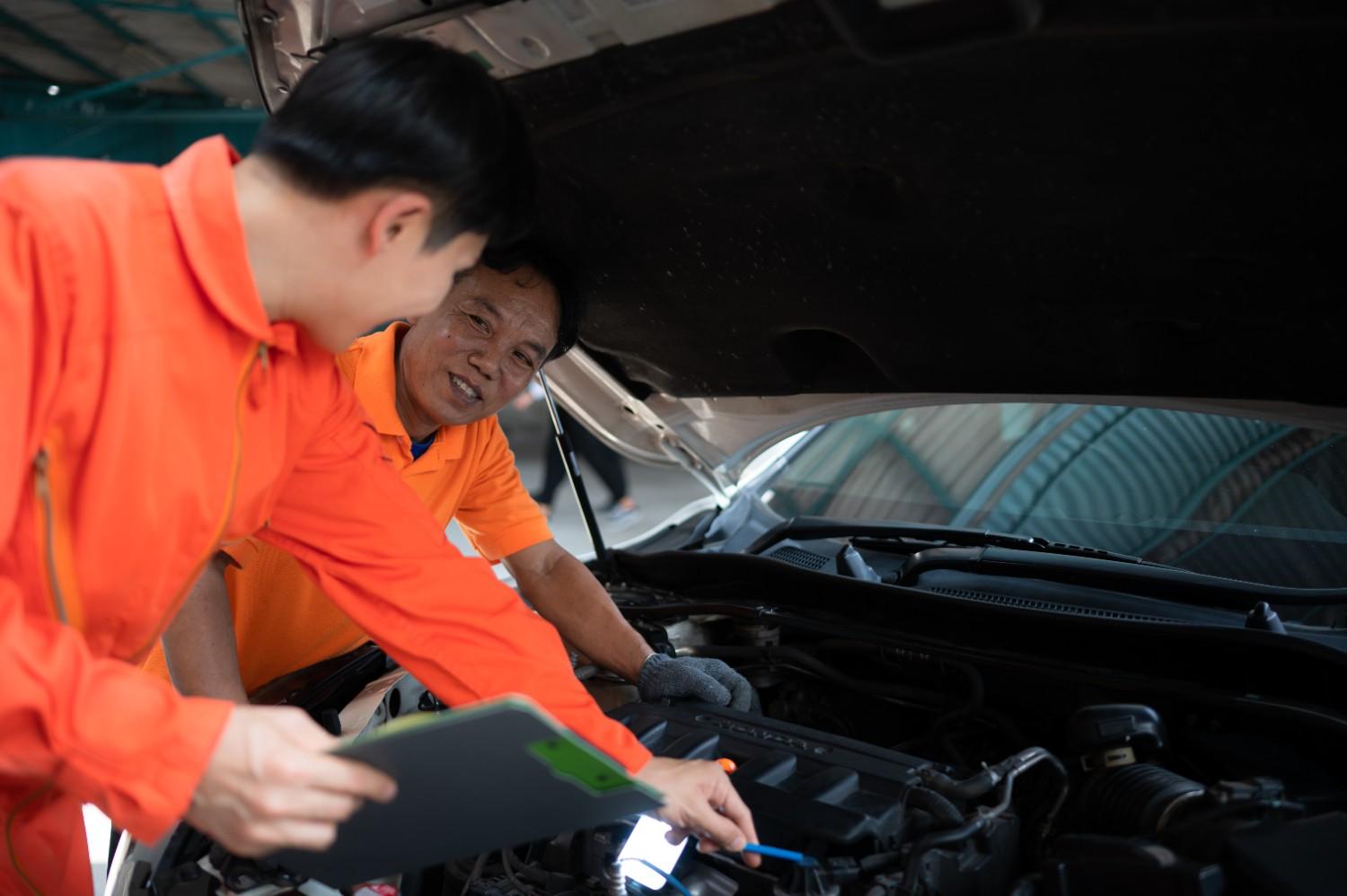
Not every problem can be seen with the naked eye. Modern vehicles store fault information inside their onboard computers.
Professional car diagnostics allow technicians to read these fault codes and understand how different systems are performing.
However, fault codes are only clues. An experienced technician combines diagnostic information with physical inspection before deciding on the correct repair.
Road Testing When Necessary
Certain problems only appear while the vehicle is moving. If required, we perform a controlled road test to observe how the vehicle behaves under real driving conditions.
This helps us assess issues such as:
- Steering response
- Brake performance
- Gear shifting
- Engine hesitation
- Suspension noises
- Vibrations
A road test often confirms whether a reported concern can be reproduced consistently.
Inspection Process at a Glance
| Inspection Stage | Purpose |
| Customer discussion | Understand reported symptoms |
| Visual inspection | Identify visible wear or damage |
| Computer diagnostics | Detect electronic faults |
| Road test | Verify driving related concerns |
| Repair recommendation | Explain findings and available solutions |
Each stage provides valuable information before repair work begins.
Why Accurate Diagnosis Saves Money
It might seem quicker to replace the first suspected component. Unfortunately, that approach can become expensive. Imagine replacing a battery when the alternator is actually causing the problem.
Or changing spark plugs when the real issue is a faulty sensor. A proper mechanic inspection helps avoid unnecessary repairs by identifying the true cause first.
This saves both time and money in the long run.
Transparency Builds Confidence
Many customers are scared of surprise repair bills. That’s why we think every inspection should come with a clear explanation.
Before any work begins, we explain:
- Our findings
- What was wrong
- What repairs do you suggest
- Whether the repairs are urgent.
- Estimated cost
- Expected time to completion
Customers need to know exactly what their car needs.
Why Routine Inspections Matter

Inspections are not just for cars that have already broken down. Small problems are often spotted during regular checks before they turn into big repairs.
For instance:
- Small coolant leaks
- Worn out brake pads
- Dead batteries
- Ageing drive belts
- Wear on early suspension
Usually it is much cheaper to solve these problems early rather than repairing the damage they cause later.
Many drivers in Singapore who are looking for reliable auto repair services prefer to go for regular inspections. Emergency repairs are often more expensive than prevention.
Choosing a Workshop You Can Trust
Not every workshop follows the same inspection process. When selecting a repair centre, it helps to look for one that values careful diagnosis instead of quick assumptions.
A trustworthy workshop should:
- Listen to customer concerns
- Perform systematic inspections
- Explain findings clearly
- Recommend only necessary repairs
- Use suitable diagnostic equipment
Drivers looking for vehicle inspection in Singapore services should choose workshops that focus on accuracy, honesty, and clear communication.
Conclusion
A professional inspection is not only the first step before a repair. It’s the process that ensures that every recommendation is evidence-based, not guesswork. Workshops use careful observation, modern diagnostic equipment and experienced judgement to find the real cause of a problem and suggest the most appropriate solution.
At Gold Autoworks, we believe that trust begins with transparency. Our experienced team will take the time to carefully inspect every vehicle, explain our findings in simple language, and recommend only the repairs that are truly necessary. Whether your car needs routine maintenance or more extensive repairs, we are committed to providing dependable auto repair services in Singapore with honest advice and quality workmanship.
Frequently Asked Questions
1. How long does a professional vehicle inspection usually take?
The time depends on the reported issue, but many inspections are completed within one to two hours.
2. Can diagnostics identify every problem?
Diagnostics provide valuable information, but they are usually combined with physical inspection and technician experience.
3. Should I repair my car immediately after an inspection?
That depends on the findings. Some repairs are urgent, while others can be scheduled later.
4. How often do we have to inspect the vehicles?
Regular inspections during routine service provide early detection of developing problems before they become serious problems.
5. Why is it important to inspect before making repairs?
Proper diagnosis avoids unnecessary part replacement and the right repair the first time.